Melbourne for People Who Don't Live There
By BookingClub
Melbourne has a habit of telling you how good it is. The coffee, the laneways, the "world's most liveable city" tagline. The problem with all this self-promotion is that it sets expectations in the wrong direction. Visitors end up chasing a list of famous laneways and "best coffee" shops instead of doing what Melbourne is actually good at: wandering without a plan and finding something excellent by accident.
A framework instead of an itinerary.
Where to stay
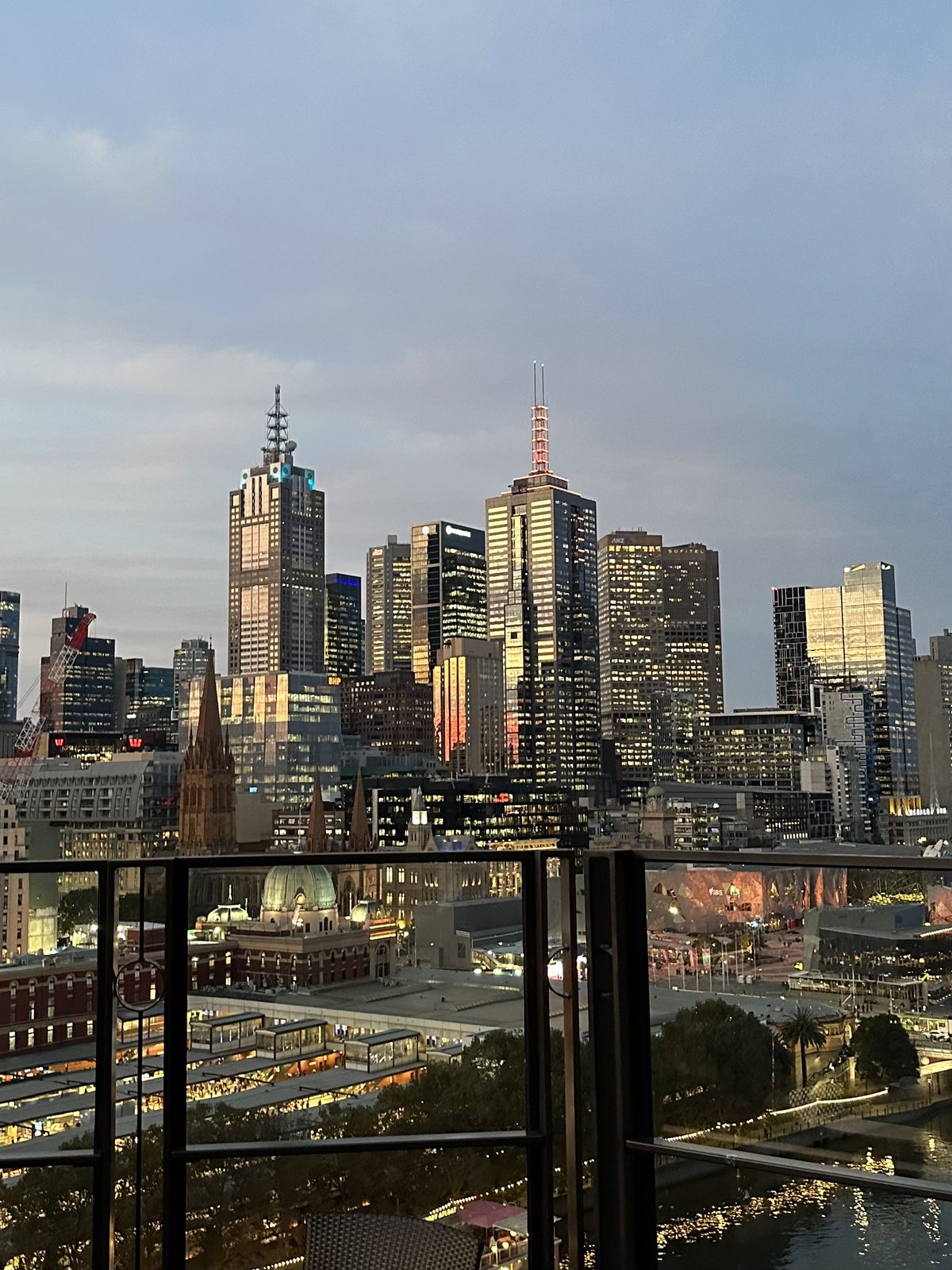
The CBD puts you walking distance from everything but can feel sterile at night outside the main strips. Good hotels cluster around Collins Street and Flinders Lane. If you're here for restaurants and bars, this is the play.
Fitzroy is Melbourne's version of Newtown or Paddington. Brunswick Street and Smith Street run parallel with bars, restaurants, vintage shops, and galleries. Stay here if you want neighbourhood character. Hotels are thinner on the ground but good apartments and boutique places exist in the $180-280 range.
Southbank is across the Yarra from the CBD. It's where the arts precinct lives (NGV, Arts Centre, Hamer Hall) and has a cluster of big-chain hotels. The riverside walk is pleasant. The Crown Casino end is not.
South Yarra and Prahran work if you want shopping (Chapel Street), good brunch options, and proximity to the Royal Botanic Gardens. It's a tram ride from the CBD rather than walking distance, which either matters to you or doesn't.
St Kilda has the beach, Luna Park, and a strip of restaurants along Fitzroy and Acland Streets. It's further out and the beach is average by Australian standards, but the foreshore walk from St Kilda to Brighton via the bathing boxes is good.
What to eat
Melbourne's food reputation is earned, but the city has so many options that decision paralysis is a real risk. Some guardrails.
For breakfast and coffee: don't chase a "best coffee" list. Melbourne's baseline coffee quality is so high that any busy cafe within walking distance of your hotel will be good. If you want a name, Patricia on Little Bourke Street does single-origin standing-room-only for people who take it seriously. Top Paddock in Richmond and Higher Ground on Little Bourke are both strong for a proper sit-down breakfast.
For lunch: the CBD laneway restaurants do good-value lunch menus. Chin Chin on Flinders Lane still draws a queue but the Thai food holds up. Supernormal on Flinders Lane is Andrew McConnell's take on pan-Asian and the lobster roll is worth the price. For something quick, the food courts in the basements of the QV and Emporium centres are better than they have any right to be.
For dinner: Melbourne rewards booking ahead. Cumulus Inc on Flinders Lane (McConnell again, the man owns half the city), Tipo 00 for pasta, Embla for wine-bar food, or Gimlet at Cavendish House if you want the full white-tablecloth production. For a cheaper but still excellent night, Lune Croissanterie in Fitzroy does pastry that people fly interstate for, and it's not an exaggeration.
The one thing to skip: Federation Square restaurants. Tourist-trap pricing, average food, nice view. Walk across the bridge to Southbank or into the laneways instead.
What to do
Walk the laneways. Yes, it's the obvious suggestion. But the point isn't to find Hosier Lane (the graffiti one from every Melbourne article) and take a photo. The point is to walk the network of laneways between Flinders Lane and Little Bourke Street and discover the bars and restaurants hidden inside them. Centre Place, Degraves Street, Hardware Lane, and the alley behind Movida all connect. Get lost deliberately.
NGV International on St Kilda Road is free for the permanent collection and one of the best art galleries in the country. The temporary exhibitions (ticketed) are usually worth it. The NGV's Ian Potter Centre at Federation Square covers Australian art specifically.
Queen Victoria Market on the CBD's north edge. Go on a Saturday morning. The deli hall is the highlight: cheese, olives, cured meats, bread. The general merchandise section is skippable.
Take a tram. Melbourne's tram network is free within the CBD zone. The City Circle tram (Route 35) does a loop past most of the major sights and costs nothing. Beyond the free zone, a Myki card gets you across the network cheaply.
Day trip options: The Great Ocean Road is a full day (leave early, don't try to do it in an afternoon). The Yarra Valley wine region is 60-90 minutes east and does excellent cool-climate Pinot and Chardonnay. The Mornington Peninsula is 90 minutes south with wineries, hot springs, and beaches.
The weather question
Melbourne's weather is not as bad as Sydneysiders claim. It is, however, unpredictable. The "four seasons in one day" cliché exists because it happens. Pack layers regardless of the forecast.
Best months to visit: March through May (autumn) and October through November (spring). Mild temperatures, the parks look their best, and you avoid the summer crowds and winter grey.
Summer (December through February) brings hot days (35+ degrees is common) but also long evenings, outdoor cinema, and the Australian Open in January. It's a good time if you handle heat.
Winter (June through August) is cool, sometimes grey, and occasionally wet. But the restaurants are quieter, hotel rates drop, and the Arts Centre and NGV programming is strongest in winter.
How long and how much
Three nights is the minimum to feel like you've done more than scratch the surface. Four to five nights gives you time for a day trip and a couple of unhurried restaurant evenings.
Budget: Melbourne isn't cheap, but it's competitive with Sydney. A good hotel room runs $200-350 a night. Eating out ranges from $15 for excellent lunch to $100+ per head for a top dinner with wine. Trams, galleries, and laneways are free.
Getting there: Direct flights from all capitals. Sydney to Melbourne is one of the busiest air routes in the world, so fares are competitive. Melbourne Airport (Tullamarine) is 25-35 minutes from the CBD by car; the SkyBus runs every 10 minutes for $20 one-way.
Melbourne rewards repeat visits more than most cities. You spend the first trip getting oriented and the second eating at the places that don't bother with signage.