Five Cities in China Worth the Flight
By BookingClub
China extended its visa-free entry policy for Australians through the end of 2026. Thirty days, no application, no agency, no paperwork beyond a Digital Arrival Card you fill out online before you land. Australian passport, three months validity, walk through immigration.
That is not how China worked two years ago. Getting a Chinese tourist visa used to mean a trip to the consulate, a stack of forms, passport photos, proof of accommodation, and a week of processing. The barrier was high enough that most Australians who considered it ended up booking Bali instead.
The barrier is gone. Here are five cities worth the flight.
Shanghai
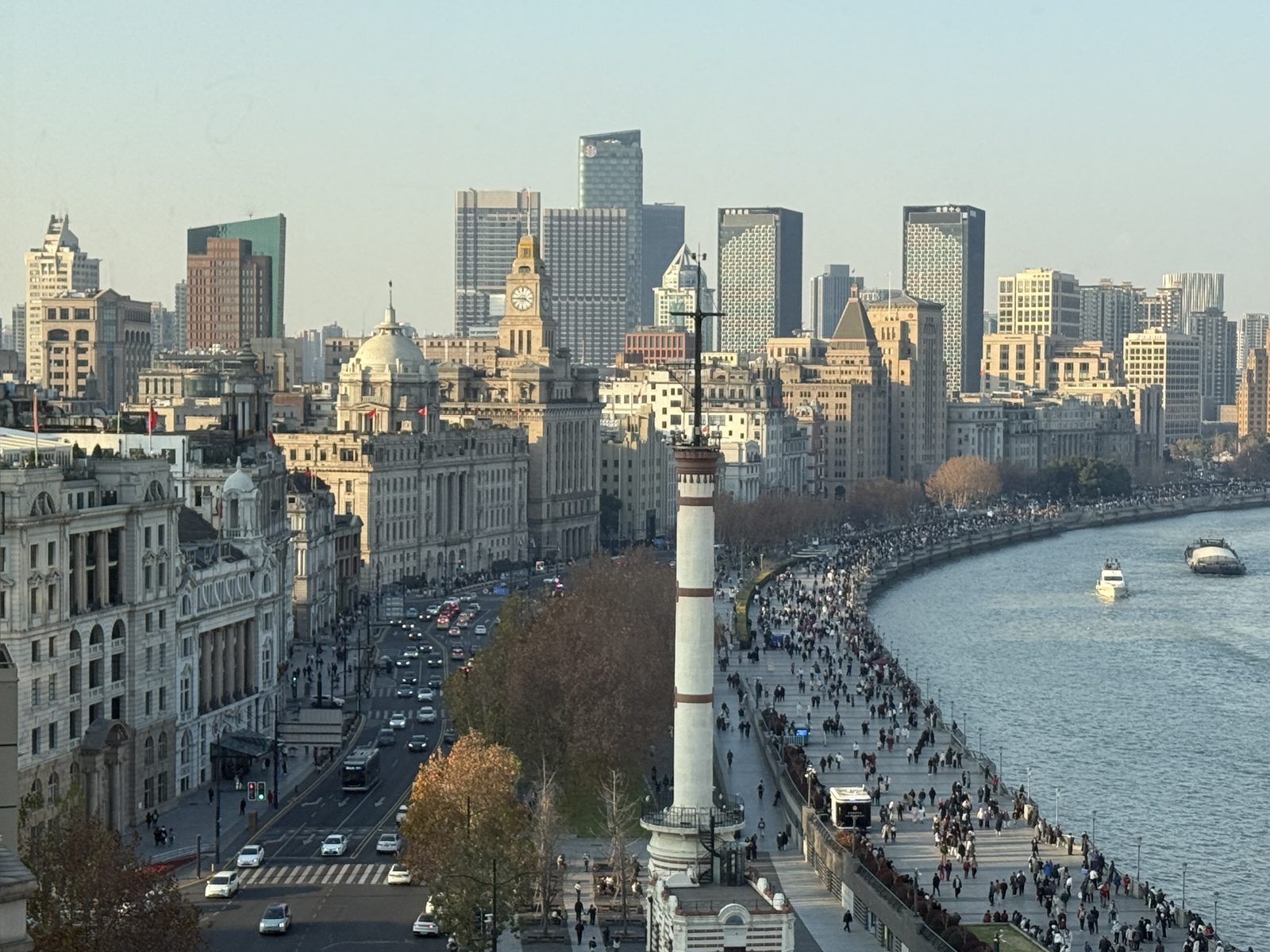
The obvious first stop, and for good reason. Shanghai is where China's ambition is most visible: a skyline that makes Sydney look like a country town, a food scene that runs from $2 street dumplings to Michelin-starred French, and a pace that feels more like New York than anything else in Asia.
The Bund is the riverfront promenade facing Pudong's towers. Walk it at night when the skyline is lit. During the day, the colonial-era buildings on the western side are more interesting than the view east.
The French Concession is the neighbourhood to base yourself in. Tree-lined streets, independent coffee shops, cocktail bars, and restaurants packed into old lane houses. It has the density and texture that the Pudong business district doesn't.
Eat: Jia Jia Tang Bao on Huanghe Road does soup dumplings (xiaolongbao) that are worth queuing for. Mr & Mrs Bund for modern French with a view. Yang's Fried Dumplings for the crispy, oily, perfect sheng jian bao that you'll eat standing on the street and immediately order again.
Stay: The French Concession for character, Jing'an for central luxury hotels, Pudong for business hotels with skyline views. Avoid hotels near the Bund itself unless you want to pay a premium for proximity to tourist crowds.
Getting there: Direct flights from Sydney (around 10 hours). Shanghai has two airports: Pudong (PVG) for international and Hongqiao (SHA) for domestic. You'll land at Pudong. The Maglev train does the airport-to-city run in 8 minutes at 430 km/h, which is an experience in itself.
Shenzhen
Forty years ago this was a fishing village. Now it's a city of 18 million people that produces most of the world's consumer electronics and has more electric vehicles per capita than anywhere on earth. Shenzhen is what happens when a country decides a city should exist and then builds it from scratch in a single generation.
Why go: Shenzhen is China's tech capital, and it feels like it. The city runs on apps, cashless payments, and a level of infrastructure automation that makes Australian cities feel dated. If you work in tech, product, or manufacturing, this is the most interesting city in the world to walk around.
Huaqiangbei is the electronics district. Multiple multi-storey malls selling every component, gadget, and device imaginable. Drones, phones, LED strips, custom PCBs. It's overwhelming, fascinating, and entirely unlike anything in Australia.
OCT Loft is a creative district built in old factory buildings. Galleries, design studios, independent coffee shops. It's Shenzhen's answer to Melbourne's laneways, with better weather.
Eat: Shenzhen is a migrant city, so the food covers every regional Chinese cuisine. Cantonese dim sum is the local default and is excellent everywhere. For something different, Haidilao hot pot is a chain but the service theatre (iPad ordering, robot waiters, handmade noodle shows) is genuinely entertaining.
Day trip to Hong Kong: Shenzhen borders Hong Kong. The Futian checkpoint crossing takes 20-30 minutes, and suddenly you're in a completely different city with a completely different system. A Shenzhen-Hong Kong combination trip is one of the most interesting urban contrasts anywhere.
Guangzhou
Canton. The food capital of China, and that's saying something in a country where every province claims the title. Guangzhou is older and scruffier than Shanghai or Shenzhen, and that's part of its appeal. This is a city that has been trading with the world for 2,000 years and hasn't bothered to polish itself for tourists.
Eat everything. Guangzhou invented dim sum. Yum cha here is a different experience to what you know from Australian Chinatowns. Start at a traditional dim sum restaurant like Dian Du De or Bingsheng Pinwei for the classics: har gow, siu mai, char siu bao, cheung fun. Go early, order too much, drink pot after pot of chrysanthemum tea.
Shamian Island is a small, walkable island in the Pearl River with European colonial architecture, banyan trees, and a quiet atmosphere that feels like a different century. It's the best afternoon wander in the city.
The Pearl River Night Cruise sounds touristy and is. Do it anyway. The riverfront is dramatic at night and the hour on the water gives you a sense of the city's scale that you can't get from street level.
Canton Tower is 604 metres tall and has an observation deck, a revolving restaurant, and a sky drop ride if you feel like terrifying yourself.
Getting there: Direct flights from Sydney to Guangzhou (Baiyun Airport, CAN) run about 9 hours. Guangzhou is also the southern terminus of China's high-speed rail network, which connects it to Shenzhen (30 minutes), Hong Kong (47 minutes), and Shanghai (7 hours). The train stations are an experience worth having even if you're not going anywhere.
Chongqing
Most Australians have never heard of it. Chongqing is a municipality of 32 million people built into a mountain at the confluence of the Yangtze and Jialing rivers. The city is vertical in a way that makes San Francisco look flat. Elevated highways, cable cars crossing rivers, buildings with entrances on the 10th floor because the street is that far below the ridge. The topography alone is worth the trip.
Hot pot is the religion here. Chongqing-style hot pot is spicier and heavier than the Sichuan version. Beef tallow base, a thick layer of chilli oil, Sichuan peppercorns that numb your lips, and a communal energy that turns dinner into an event. Ask for yuan yang (half-and-half pot) if you want a mild side to retreat to.
Hongya Cave is a stilt-house complex built into the cliff face above the Jialing River, lit up at night in a way that looks like something from a Ghibli film. It's commercial (restaurants and shops inside) but visually extraordinary.
Ciqikou Ancient Town is an 1,800-year-old neighbourhood with narrow stone streets, tea houses, and street food stalls selling fried dough, spicy tofu, and the local speciality: Chongqing small noodles (xiao mian), a bowl of spicy, sesame-laced noodles that costs almost nothing and tastes like it should cost more.
Yangtze River cruises depart from Chongqing through the Three Gorges to Yichang. Three to four days on the water through gorge scenery that's genuinely dramatic. This is the classic China river trip, and Chongqing is the starting point.
Getting there: No direct flights from Australia. Connect through Shanghai, Guangzhou, or Singapore. Internal Chinese flights are cheap and frequent once you're in the country.
The visa-free details
Who qualifies: Australian ordinary passport holders (not emergency or temporary documents).
Duration: Up to 30 days per visit. The count starts from midnight the day after you arrive.
What you need: Passport with at least 3 months validity. Complete the Digital Arrival Card online at s.nia.gov.cn or through the NIA 12367 app within 72 hours of landing.
What's allowed: Tourism, business meetings, visiting family, transit. Employment is not covered.
Expiry: The policy runs until 31 December 2026. It has been extended twice already, so watch for further extensions.
Payments: China runs on WeChat Pay and Alipay. International credit cards are increasingly accepted at hotels and bigger restaurants, but you'll hit places that are mobile-payment only. Set up Alipay (it now supports international cards) before you go, or carry cash as backup. ATMs at airports and major banks accept international cards.
Internet: Google, Instagram, YouTube, WhatsApp, and most Western social media are blocked in mainland China. Download a VPN before you arrive if you need access to these services. WeChat is the local everything-app and works without a VPN.
Language: English is limited outside international hotels and the main tourist areas in Shanghai and Guangzhou. Google Translate's camera function works well for menus and signs. Download the Chinese language pack for offline use before you go.
How to think about it
Nine hours from Sydney to Shanghai is shorter than Sydney to London, cheaper, and lands you somewhere that feels genuinely different. Not different like Bali-different, where the infrastructure is familiar and the menus have English translations. Different like you-need-a-translator-app-for-the-taxi different. That's the appeal.
The visa-free window won't last forever. It might get extended again, it might not. While it's open, China is the most accessible it has been for Australian travellers in years. A week across two cities (Shanghai plus one of the others) is enough to understand why people who visit once tend to go back.